“Paris awakens unlike any other city: slowly.” Images courtesy Netflix.
9/10 Director David Fincher, backed by Netflix, has been angling for awards lately, first with flagship series “House of Cards,” then a black-and-white stab at the great American biopic with Mank, and now The Killer, another American arthouse cliché of the lonely man of mystery. It’s effectively two separate genres, the deep urban neo-noirs like Taxi Driver or globe-trotting fantasies about secret spies with their secret ways like The Killer, but both genres are aimed toward the same point – you can’t kill your way out of loneliness.
Paris, December, post-pandemic- A black-gloved killer (Michael Fassbender) misses his shot and immediately becomes his employers’ new target. He rushes home to the Dominican Republic to find his girlfriend beaten and raped, but recovering well. The killer sets off on a quest that takes him to four corners of the U.S. to take revenge on everyone responsible.
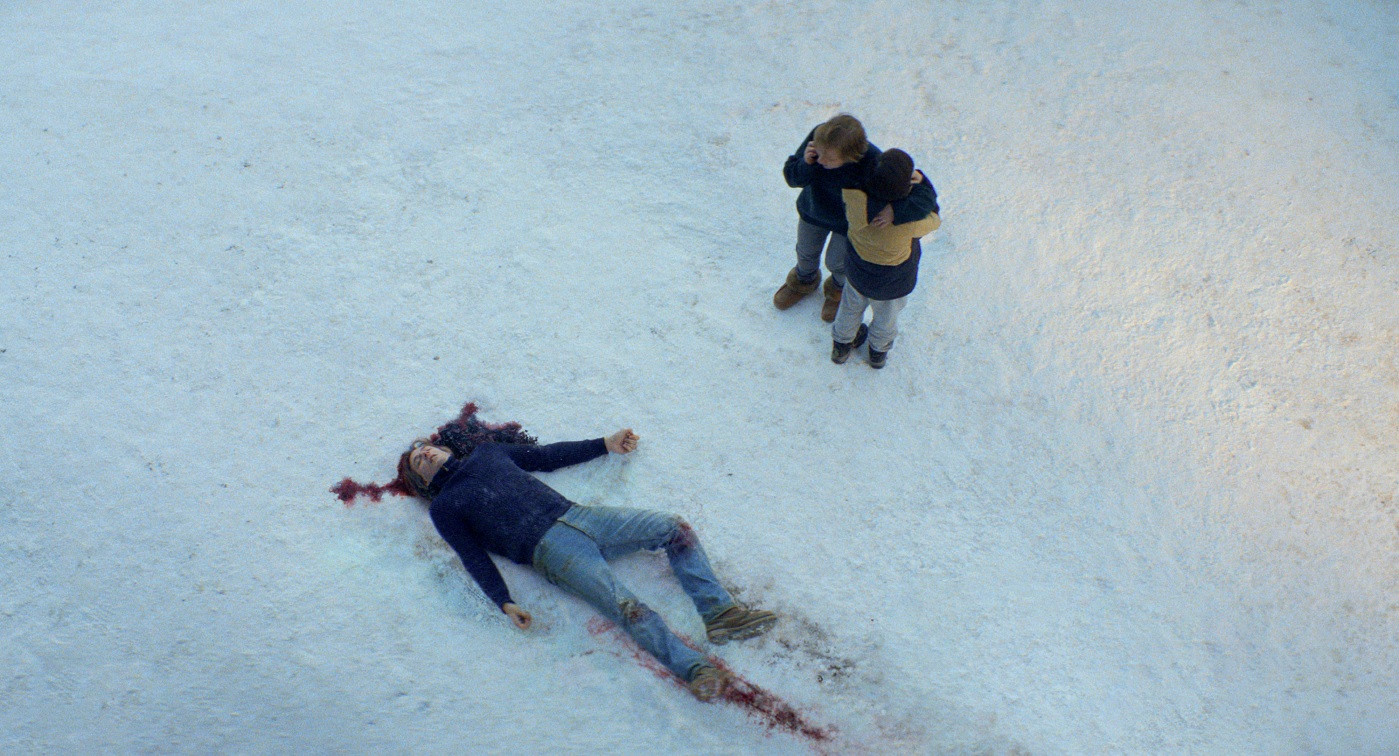
Because the prosecution is so personal and puts so many parts of Voyter’s life under the microscope, the whole film works as a story about her processing guilt and coming to terms with the unspoken but serious flaws in her marriage, with the court apparatus only a metaphor. Images courtesy Neon.
9/10 Palme d’Or-winning Anatomy of a Fall is another film that captivates by being a lot of different things at once. The evolving blend of personal and legal and of fact and fiction paint a complex portrait of human life, how it’s perceived and how it’s processed in hindsight.
Grenoble, France- writing professor Samuel Maleski (Samuel Theis) has fallen to his death in a suspicious manner, and his wife, novelist Sandra Voyter (Sandra Hüller), was the only other person in the house at the time. She falls under an aggressive, speculative murder prosecution that never has any evidence, but interrogates Voyter’s marriage and art for possible motives. This is accompanied by a media frenzy that is mostly offscreen, but hangs over the film.
Voyter is German and Maleski was French – they met and married in London and spoke English in the home, but had moved back to Maleski’s hometown as the marriage spiraled downward. Voyter’s French isn’t strong enough for a trial or daily interactions with government officials. Additionally, because the couple’s young son, Daniel Maleski (Milo Machado-Graner), is considered a key witness and the defendant is going home with him every night, court officer Marge Berger (Jehnny Beth) is assigned to basically move in with them and make sure they’re never alone together, and they also have to explain all this to Daniel as it’s all happening.
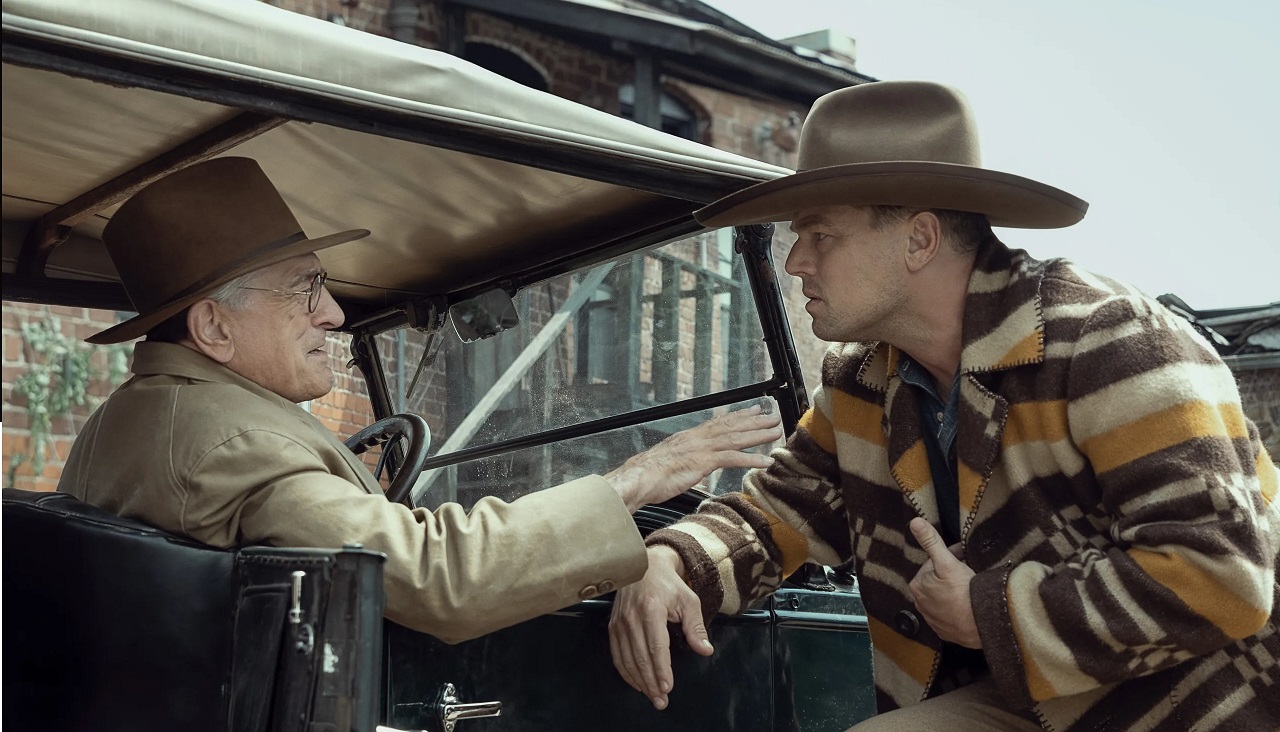
8/10 One of history’s greatest filmmakers is still going strong. Killers of the Flower Moon is everything you can expect from a Martin Scorsese picture – an emotionally driven, human look at a vital moment in history with spectacular performances, sharp editing and a pointed, direct look at the emotional truths driving the story. If it isn’t his best film, it’s certainly one of his most timely.
Fairfax, Oklahoma- Killers of the Flower Moon, based on the book by David Grann about the FBI’s first investigation, tells the story of the Osage Indian murders, which peaked from 1921-26. After being driven off their ancestral lands when Missouri and Kansas became states, the Osage Nation was one of the few tribes to buy their reservation from the government, which remains in present-day Osage County, Oklahoma, a purchase that included mineral rights. This meant that when oil was discovered on the reservation in 1906, the U.S. government’s go-to plan of just killing everyone until they left wouldn’t work. Almost 3,000 mineral “headrights” entitling the owner to a quarterly share of the Osage Mineral Estate were allotted to full-blooded Osage, each individual right worth more money than anyone could possibly spend. But crucially, until the law was amended in 1925, they could be inherited by non-Osage. De facto Fairfax crime boss “King” Bill Hale (Robert de Niro) oversaw a campaign to fuck and murder the Osage out of existence in such a way that the oil rights would flow to him, which was described as a “reign of terror” in the press at the time. At least 60 Osage were murdered or died under suspicious circumstances between 1918 and 1931, but Grann’s research indicates the death toll may reach into the hundreds.
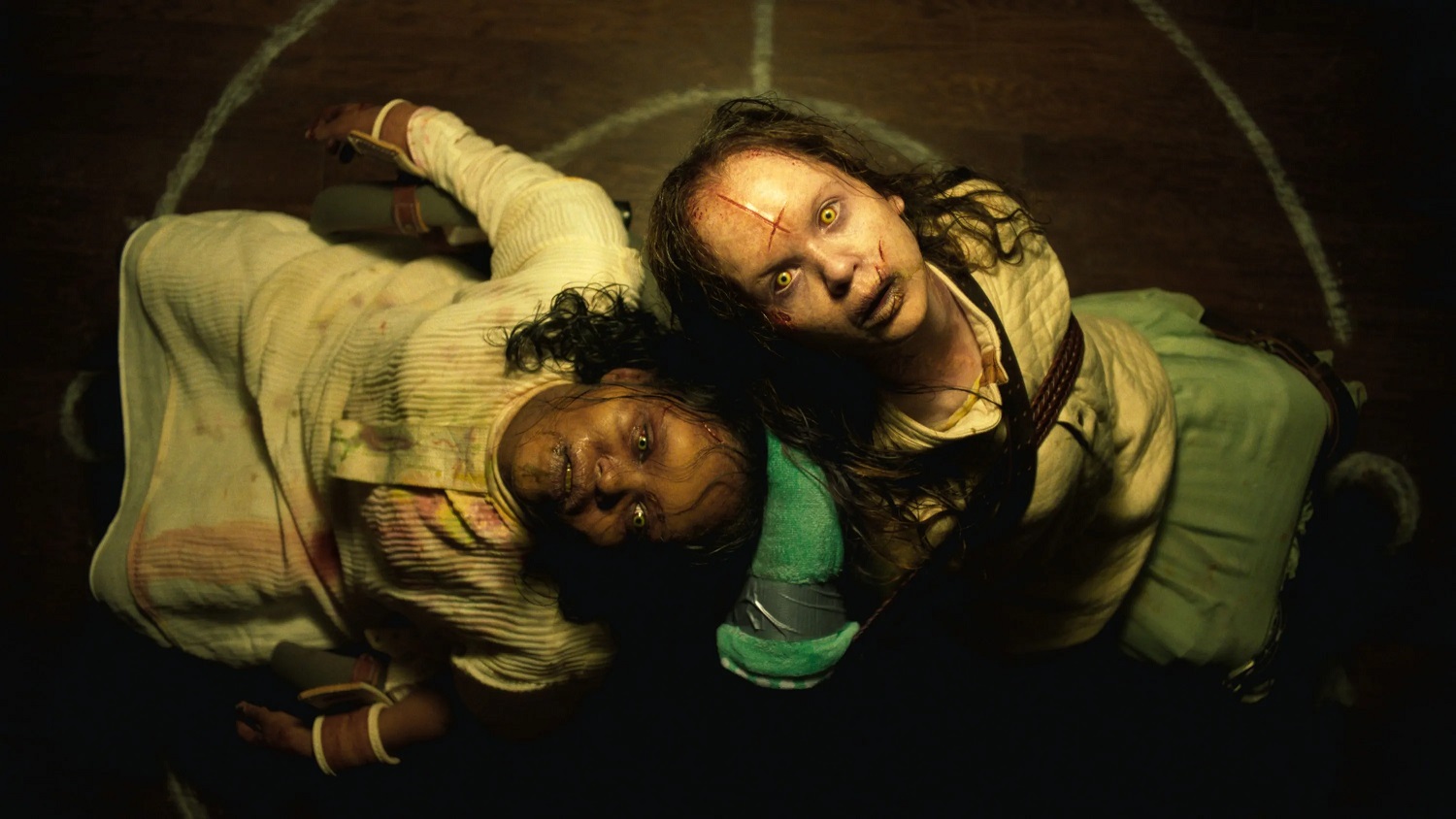
They stick tightly to the makeup design from the original, which is recognized as strictly Catholic imagery at this point. It really hurts that the film’s aspirations of being secular that its main visual screams “Catholicism.” Images courtesy Universal Pictures.
4/10 Over the past six years, writer/director David Gordon Green produced the OKest, the worst and the best ever sequels to Halloween, a movie with quite a number of sequels. Its simplicity and face-value horror set off the Golden Age of Slashers overnight, dominating horror over the course of the ‘80s and remaining a prominent genre today. Now, the same team has been charged with making sequels to The Exorcist, which also changed cinema overnight and also established an entire genre of ripoffs, though with far different results, and given the wild variety in their track record, I was genuinely excited to see what they’d do with it.
The Exorcist: Believer is one of the best ever sequels to The Exorcist, and then it sneezes and suddenly becomes one of the worst. It wants to flow naturally from the mundane to the supernatural like the original film does, and it fails. Instead, it is a film split in two between a decent setup that lays the groundwork for several themes and then a crazed, strange climax that doesn’t really follow them up.
10/10The Creator is a searing tapestry of emotion, an uncompromising labyrinth of peak action scenes, a scorching hate letter to American imperialism and exploration of the human cost of war measured in screams.
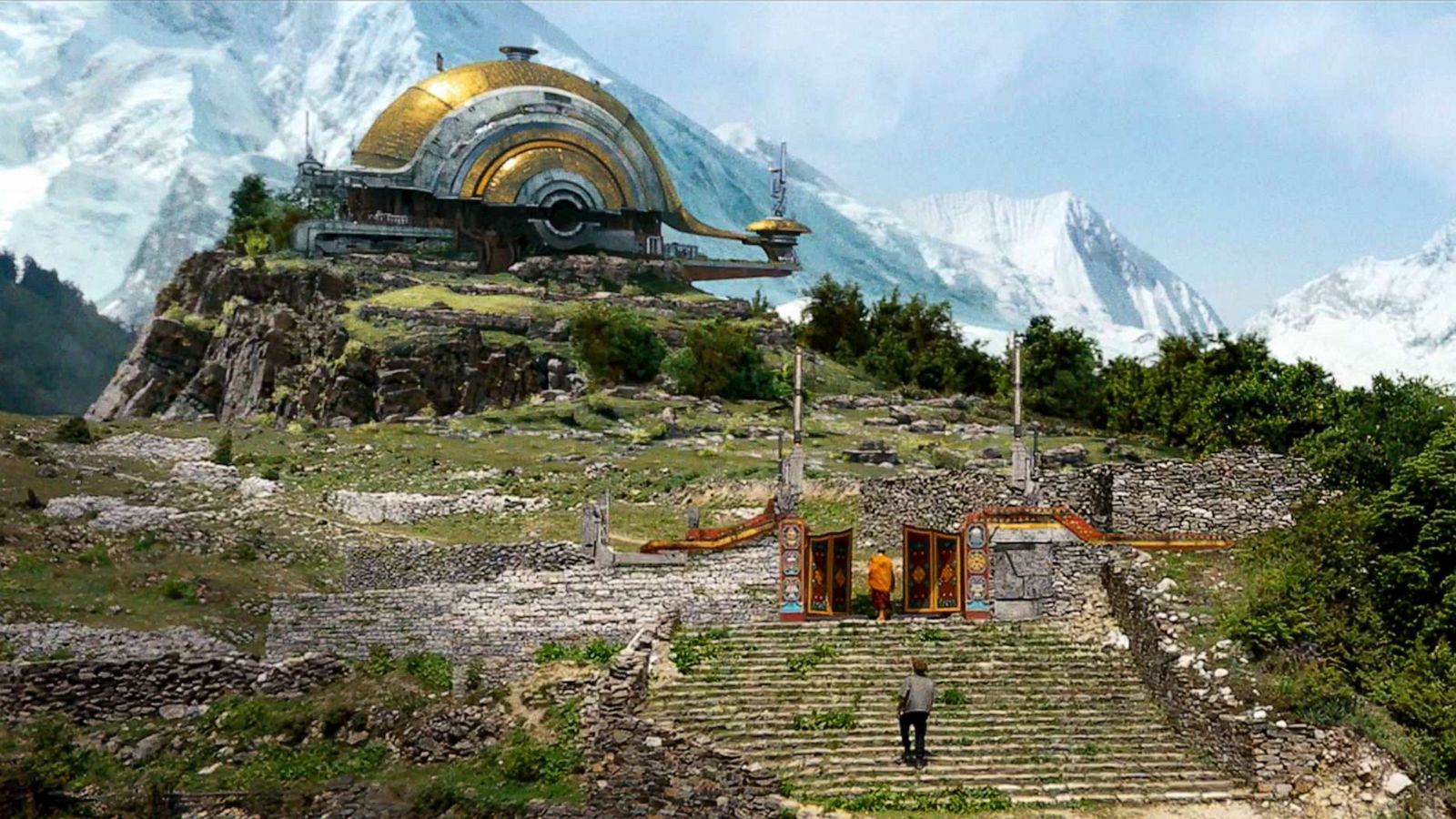
The Republic of New Asia, 2065- In an alternate history Earth where fully functioning artificial intelligence is developed shortly after World War II and 10 years after a rogue program nuked Los Angeles, the U.S. has banned all artificial life forms and wages a brutal war against New Asia, a confederacy of what appears to be all the countries underneath the elbow formed by India and China from Nepal all the way to Vietnam on the coast, which became a haven for the machines. Sgt. Joshua Taylor (John David Washington), on a long-term undercover mission to find Nirmata – Hindi, “the creator” – a mysterious engineer behind recent AI advancements who the machines worship as a creator god, is caught unaware when American forces attack backed up by the USS NOMAD (North American Orbital Mobile Aerospace Defense). The space station, an all-in-one spy satellite and nuclear weapons platform that can seemingly cover the entire war by itself, is a massive blade that hangs ominously in the sky, the Sword of Damocles dangled carelessly over an entire continent.
Another five years later, Nirmata has built a new weapon capable of destroying NOMAD. Taylor, now a dejected veteran cleaning the rubble of Los Angeles, is lured back to New Asia with evidence that his wife, Maya (Gemma Chan), who was also his main subject of surveillance, survived the attack. He discovers the weapon, the first ever AI child called Alpha-O (Madeline Yuna Voyles), capable of controlling technology remotely through what appears to be prayer, whom the machines worship as a messiah. On the run from both the American military and the New Asian police, he shepherds the child across the continent in search of Nirmata.


 Reel Entropy