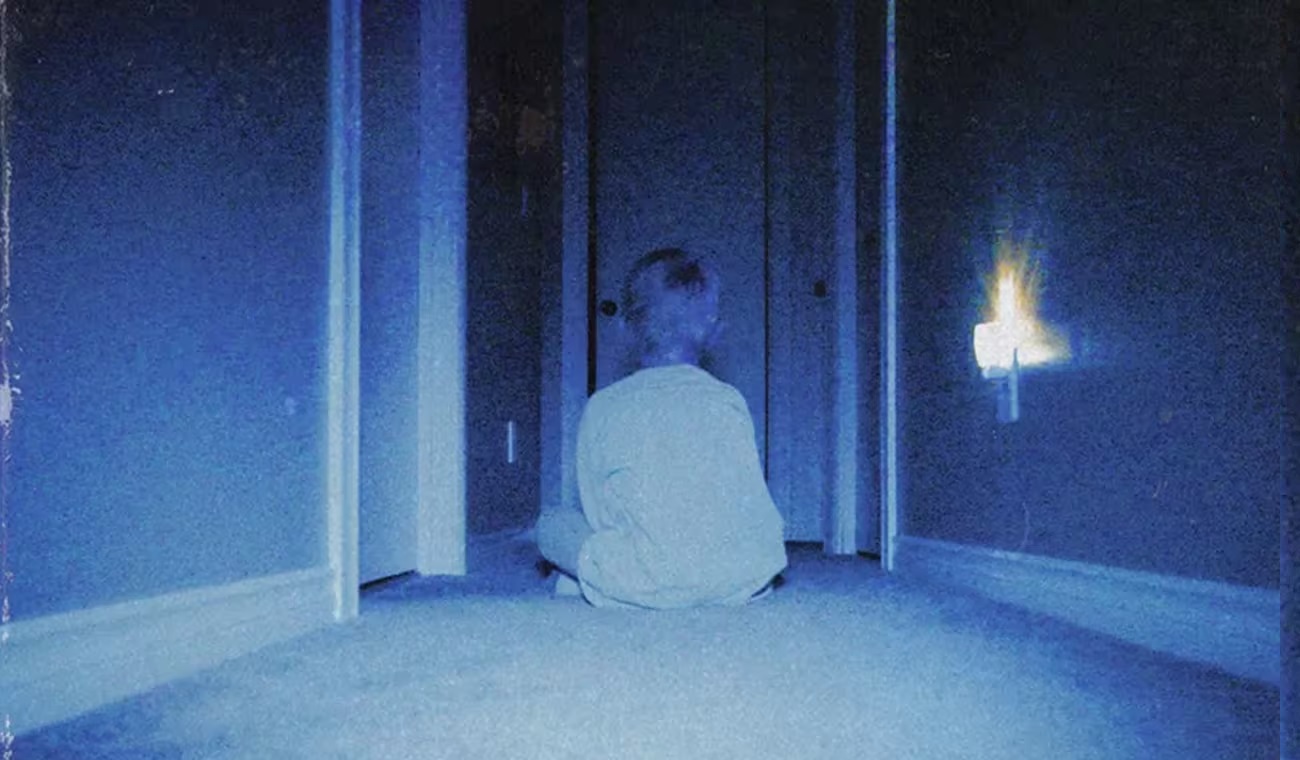
8/10Skinamarink, 2023’s new internet horror classic, is intentionally uncomfortable, incisively symbolic and coldly denies any literal interpretation. It’s definitely not for everyone, but I got a lot out of it.
Writer/director/editor Kyle Edward Ball’s childhood home in Edmonton, Alberta, 1995- Kevin and Kaylee (Lucas Paul and Dali Rose Tetreault), 4 and 6, wake up to discover their parents are gone and all the doors and windows have disappeared. Trapped without even a way to mark time, the children collect their toys and camp out in the living room, but must contend with the commands of the shadow monster who lives upstairs.
9/10John Wick: Chapter 4 is a sprawling triumph of decadent, excessive cinema, a flaming, neon capstone for the humble action franchise that could with nothing but a charismatic star, a lot of top-end stuntmen, about 900 gallons of fake blood, blue-collar work ethic and above black-tie style.
New York City- John Wick (Keanu Reeves, who also produces executively), a legendary assassin pulled out of retirement by random acts of violence and blood oaths he thought he’d gotten out of, has committed underworld crimes that have made his life forfeit several times over. The High Table, which governs this league of assassins, has appointed the cowardly Marquis Vincent de Gramont (Bill Skarsgård) to root him out by any means necessary, including going after the Continental hotel managers who might be hiding him. To save them, Wick must go on an odyssey from Paris to Berlin to Osaka, Japan to earn the standing to challenge de Gramont to a duel for amnesty, but he has to fight apparently the entire city of Paris to get there.
The torrid stampede of action-violence rages on. Wick’s roaring rampage of revenge has become a fight for freedom, and the ocean of killers in his way only gets deeper and better-equipped. What seems like one long, long fighting chase scene stretching across multiple films only becomes more extreme in John Wick: Chapter 4.
That’s fine. Disney spent $4 billion on Lucasfilm, and if they think streaming is the best way to recoup that investment, I can live with that. But if we’re still in a film environment where $300 million bare-minimum blockbusters can be a regular thing, I do have a request. A demand, actually.
I demand a new John Wick movie every year until I die.
As horrible as the premise is, it isn’t far at all from mainstream American life – Catholicism, as you know, brings many of the exact same hierarchal tools to create and protect rapists to churches in your neighborhood. Images courtesy United Artists Releasing.
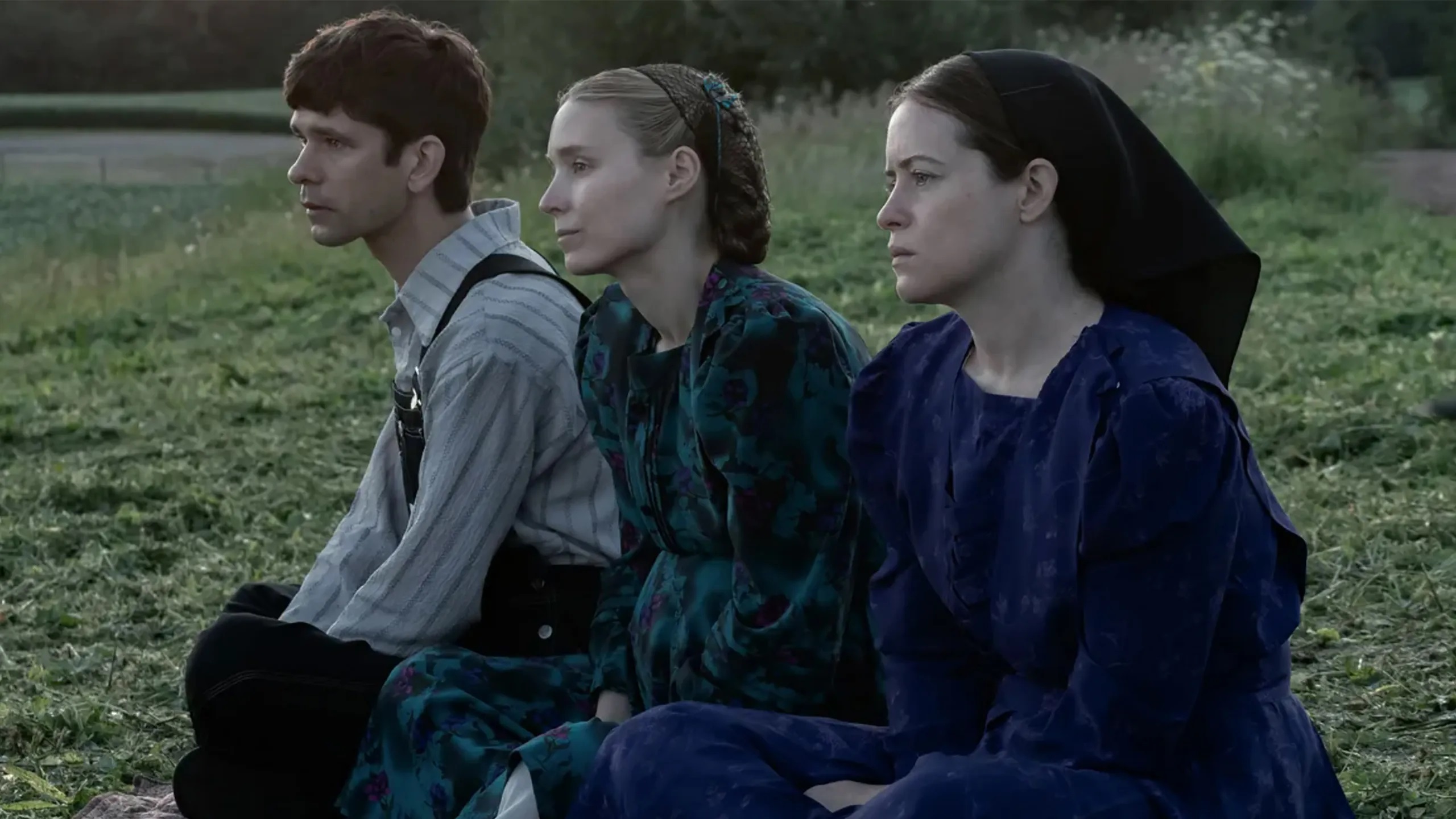
5/10 In the mid ‘00s in the Manitoba Mennonite colony in Bolivia cut off from modern cities where women are not taught to read and only speak an outdated dialect of German, several colony men came up with a scheme to use animal anesthetic to drug and gang-rape women, then blame it on Satan and say they all needed to pray harder. Colony elders explained the attacks as either the work of demons, God’s punishment for something or other or simply as products of “vivid female imagination.” This went on for four years. The rapists attacked at least 130 women and girls – that’s just who came forward in court, the actual number of victims in those first four years is probably at least twice that – including one as young as 3 years old, before they were caught in the act and modern law enforcement was contacted. Seven rapists and the veterinarian who supplied the anesthetic were convicted in 2011, but reporting in 2013 indicated that these attacks were severely underreported, never discussed within the colony and were likely ongoing. This review describes scenes of the aftermath of these assaults, both real and fictionalized.
Miriam Toews’ novel “Women Talking,” and now Sarah Polley’s film adaptation, imagines the same scenario playing out in 2010 in rural Pennsylvania – and that’s the term, an opening title card reads, “What follows is an act of female imagination.”
In the film, the scheme has just been discovered, and with all the men gone to town to post bail for their rapist buddies, the elders left the women with an ultimatum – forgive all the men unconditionally, or be excommunicated. The women discover democracy, and hold a vote between forgiving the men as commanded, preparing to meet them with armed resistance or fleeing the colony, but when “fight” and “flight” tie, they forget all about democracy, and the women of three powerful families are selected to decide between the two remaining options. This discussion takes place on the second floor of a barn with a wall-sized window overlooking the field, a beautiful ticking clock as they must decide by sundown.
2/10 Netflix’ first-ever German language adaptation of All Quiet on the Western Front leads the charge of international prestige movies in 2022, releasing pre-packaged with the announcement of its submission for the 95th Academy Awards as a Laser-accurate adaptation of the iconic novel. What’s happened instead is low-level MCU star Daniel Brühl has made self-insert “All Quiet on the Western Front” fan fiction for himself designed specifically for viewers accustomed to the shortcomings of MCU and Netflix movies, and I hate it so, so much.
Northern France, spring 1917- Paul Bäumer (Felix Kammerer) and his friends eagerly enlist for the Great War and are immediately introduced to the horrors of trench warfare on the Western front. Then the worst thing you could ever put onscreen in a World War I film, the words “18 Monate später,” flash across the screen, and we spend two more hours surviving this horrible war with Bäumer and his friends, just with the knowledge that it’s almost over, with the sense of danger significantly lessened now we’ve been informed through onscreen text that 18 months have passed, and they’re grizzled veterans now because of all that time during which nothing exciting that you might want to put into a movie happened, I guess.
In a B plot that’s historically accurate but wasn’t in the book and adds nothing to the story, new German Secretary of State Matthias Erzberger (Brühl, who also produces) negotiates the 11 November Armistice, clashing with both the German government that’s in a deep rut of sunk-cost thinking and a French government that will only accept an unconditional surrender. In a C plot that also wasn’t in the book and adds nothing to the story, the fictional Gen. Friedrichs (Devid Striesow) has tedious and obvious metaphorical meals and complains about liberals to make sure everyone remembers it’s a prequel to the Nazi movies. This is a prudent move – the continuity is pretty crowded at this point, and you need to make absolutely sure your audience knows where they are in the Real Wars that Really Happened Cinematic Universe.