
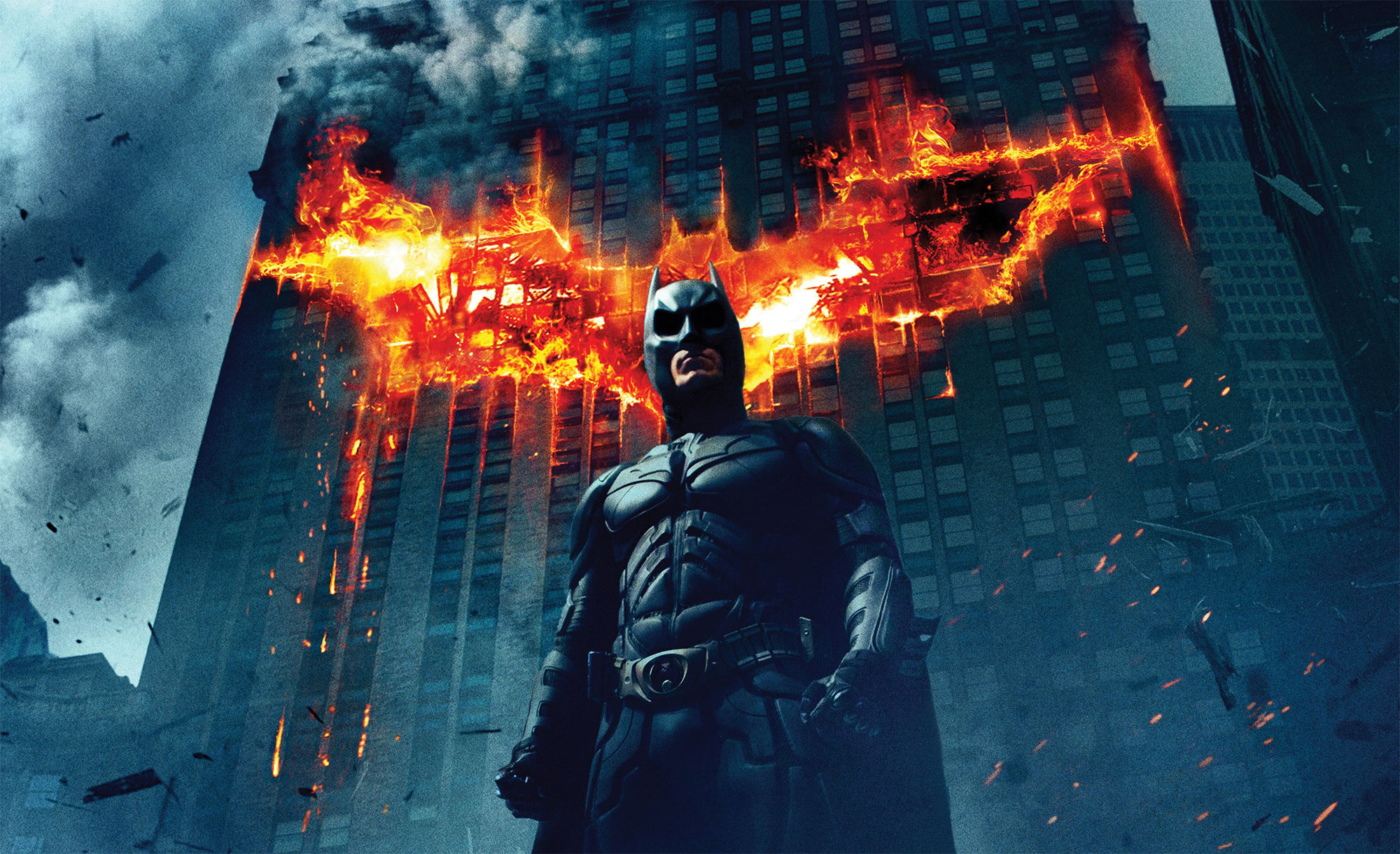
The core ennui of being a ‘90s child is watching things disappear.
This is most easily tracked through technology. Within our childhoods, we watched playing outside with neighborhood kids, maybe one of whom had an N64, turn into a kaleidoscope of different gaming systems, most of them played in private, all major investments that needed to be upgraded every five years or so. These miraculous toys of the future, things we loved and grew up with that partially defined our social circles, became “obsolete” within the span of half of our lives, roadside attractions whooshing past backseat car windows as a technological race we knew nothing of sped onward. Mobile phones, monstrous things that could barely be held onto but still had to be considered luxury items because of how few could afford them, became sleek handheld flip phones we were given “for emergencies,” a major threshold for the American teenager comparable to what cars used to be that represented our first measure of privacy and critical dating tools, and they have since become glass sandwiches of varying size that are considered critical teaching tools which we raise our own children with from birth. Computers and the internet went from science fiction to ubiquity seemingly overnight.
I was born in 1992, and having grown up through all this, I’ve always gravitated toward things that I can be comfortable will outlast me. These can be movies or classic literature and what they say about their time and place, news events that will go into history, or more often recently trying to directly seek out the spirit of a given place, that amalgamation of psychic energy that grows like a cancer anywhere people gather over time, but what underlies all of that is architecture. Architecture is the oldest form of mass media, of artistic expression that can affect an audience at scale. It defines the skyline, look and memory of a place, feeding and feeding from a city’s character, monoliths that inspire the art made in their shadows and can summon all the history of a place to mind with only their images.
9/11 was not just an attack on American soil, American people or the American psyche, but on American architecture. It was an attack of the American identity, on American engineering and artistry, on American permanence. What can anyone build now when titans such as these can be destroyed? What can I be sure will outlast me, what can a ‘90s child forever lost in time draw toward in a world where the twin towers are fallen?
Continue reading
 Reel Entropy