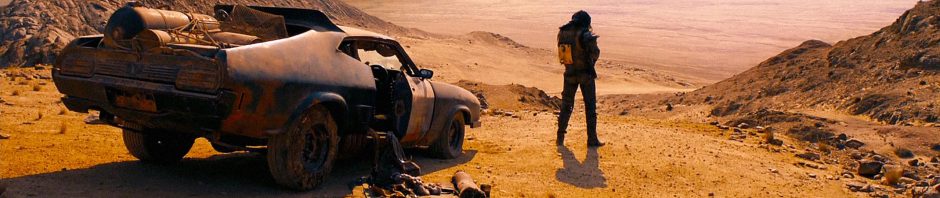

This shot didn’t even make it into the final film. Or it might have and I missed it. I honestly wouldn’t know. (Images courtesy Universal Pictures)
3/10 April 20, 1962, less than 60 years after mankind first took wing. In the experimental North American X-15 hypersonic rocket-powered aircraft, Neil Armstrong climbs to 207,500 feet, more than seven times the height of Mount Everest. Armstrong attempts to dive back to Earth, but the aircraft bounces off the outside of the stratosphere. His control surfaces find no purchase on the thin air around him, and the X-15 begins to fall uncontrollably into outer space. Using the reaction control system, spacecraft thrusters designed to maneuver even in the endless vacuum, Armstrong banks the craft sideways and slices his way back into the atmosphere.
His pen and other knickknacks begin to float as tidal forces warp inside the cockpit. Though it was surely a top-of-the-line aircraft for its time, the X-15 feels like it could fall apart at any minute. The 2018 audience has truly stepped into a plane built in the 1960s. The camera stays in the cockpit and fixates mostly on Armstrong’s face, every blast of turbulence magnified by the seemingly unlatched camera’s bouncing. In surely one of the most pulse-pounding cold opens in cinematic history, First Man genuinely makes viewers feel that Armstrong is in mortal peril years before his final triumph.


 Reel Entropy